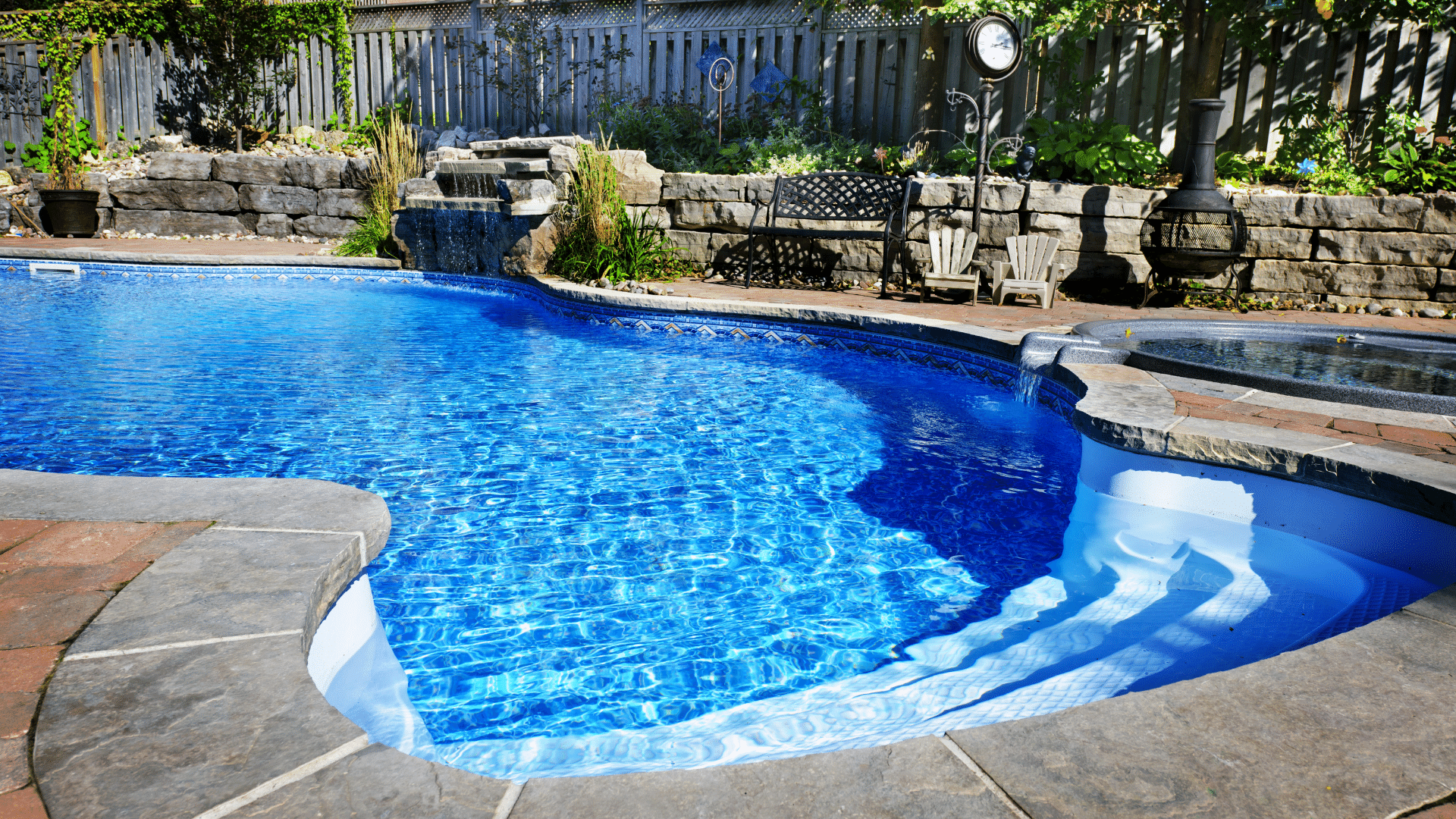
A pool cover is an essential part of pool ownership, offering protection, safety, and energy efficiency. It helps keep debris out of your pool, retains heat, and protects your family from potential accidents. However, like all components of your pool, your cover won’t last forever. Over time, wear and tear can compromise its performance, which is why regular inspection is key to ensuring it’s still doing its job effectively. If you’ve noticed any of the following signs, it may be time to consider a pool cover replacement to maintain safety and efficiency.
1. Visible Tears, Holes, or Damage
One of the most obvious signs that your pool cover needs replacing is visible damage. Whether it’s a tear, hole, or severe cracking, any damage to your pool cover can significantly reduce its effectiveness. Even small tears or holes may seem minor, but they can allow debris and dirt into your pool, making it harder to maintain cleanliness. Additionally, cracks or tears can lead to further degradation if not addressed, especially with exposure to weather elements such as sun, rain, or wind.
If you notice any damage, inspect the cover closely to assess the extent. A small tear may be repairable with a patch, but if the damage is widespread or the material is frayed, it’s likely time for a replacement.
2. Reduced Ability to Keep the Pool Clean
A pool cover’s primary job is to keep debris—such as leaves, twigs, and dirt—out of your pool, making maintenance much easier. If your pool cover is no longer able to do this effectively, it could be a sign of wear. Over time, a cover can lose its tightness or elasticity, allowing leaves and other debris to get trapped beneath it or even make their way into the pool itself.
If you’re finding that your pool is constantly full of debris despite using the cover, or if there are gaps around the edges of the cover, it’s a good indication that it’s no longer doing its job and may need replacing.
3. Difficulty Opening and Closing the Cover
If you’ve noticed that your pool cover is increasingly difficult to open or close, it could be an issue with its mechanism or the cover itself. A cover that’s hard to move may have warped or become damaged over time. This can make the process of securing or removing the cover more cumbersome, and in some cases, it could even become a safety hazard.
If the cover is equipped with an automatic system, malfunctioning parts, like faulty motors or damaged tracks, could also be a factor. Regardless of the issue, any difficulty in operating the cover should prompt a closer inspection to determine if replacement is necessary.
4. Fading or Discoloration
Fading or discoloration of your pool cover is a sign that it has been exposed to the elements for too long. Prolonged sun exposure, chemicals, and harsh weather conditions can cause the material to degrade, making it less effective at protecting your pool and conserving energy. A faded cover may not be able to retain heat as efficiently, which can cause your pool to lose warmth faster.
While fading doesn’t necessarily mean the cover is broken, it does indicate that it’s been worn down, and the material may be more prone to further damage. If the fading is accompanied by other signs of wear, it’s likely time to replace the cover.
5. Sagging or Poor Fit
Your pool cover should fit snugly over your pool to provide the best protection. If you notice that the cover has begun to sag, stretch, or no longer fits tightly over the pool, it’s likely lost its original shape and structure. A sagging pool cover can allow water to pool in the middle, creating a breeding ground for algae, bacteria, and other contaminants.
This issue can occur with both manual and automatic covers. If the cover is no longer taut or doesn’t cover the pool completely, it’s a strong indicator that you need a replacement. Not only will this improve the appearance of your pool, but it will also help maintain the water quality and energy efficiency.
6. Excessive Pool Water Accumulation
After heavy rainfall, your pool cover may gather water on top, which is normal. However, if your pool cover is unable to handle the amount of water that accumulates, it may begin to sag and pull away from the edges of the pool. A cover that collects too much water and doesn’t allow it to drain properly can lead to pooling and even potential damage to the cover or your pool itself.
If the cover fails to shed water efficiently or if the water pooling becomes excessive and hard to remove, this is a sign that the cover’s material or design is no longer functional and needs replacing.
7. Aging and General Wear
Every pool cover has a limited lifespan, and the more you use it, the faster it will wear out. Depending on the material, a pool cover can last anywhere from 3 to 10 years. As it ages, the material becomes more prone to deterioration, making it less effective at its job.
If your pool cover has been in use for several years and is starting to show signs of general wear, it’s a good idea to assess whether it’s still offering the protection you need. Even if the cover isn’t visibly damaged, age-related wear can weaken the material, making it more likely to fail in the future.
8. Safety Concerns
Perhaps the most important aspect of your pool cover is its ability to protect those around the pool, especially young children and pets. A pool cover should provide a secure barrier that prevents accidental falls into the pool. If the cover is no longer functioning as a safety measure—whether due to tears, sagging, or material degradation—it’s time for a replacement.
Older pool covers may also lose their ability to support weight, which can lead to safety concerns. Regularly check the condition of your cover to ensure it still meets safety standards and provides reliable protection for your family.
Conclusion
A pool cover is a valuable investment in the safety, cleanliness, and energy efficiency of your pool. However, just like any other part of your pool, it will eventually need replacing. If you’ve noticed any of the signs mentioned above—whether it’s visible damage, difficulty with operation, or a poor fit—it’s time to consider a pool cover replacement. A new cover will not only enhance the look of your pool but also ensure that it continues to provide the protection, safety, and energy savings you expect. Regularly inspecting and replacing your pool cover when needed is key to maintaining your pool in optimal condition.