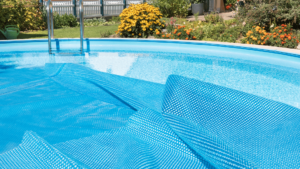
A pool cover plays an important role in keeping your swimming pool clean, safe, and protected throughout the year. Over time, even the best covers wear down, making pool cover replacement necessary to maintain function and prevent unnecessary damage or energy loss. Whether you have a residential or commercial pool, replacing your pool cover is a smart investment that ensures continued safety and efficiency.
In this guide, we’ll break down the types of pool covers, common signs it’s time for a replacement, cost expectations, and what the process involves.
Why Pool Cover Replacement Matters
A worn or damaged pool cover can lead to several issues, including:
-
Increased debris in the pool
-
Water evaporation and chemical loss
-
Reduced energy efficiency
-
Safety risks for children and pets
-
Potential damage to the pool structure
Replacing your cover at the right time helps you avoid costly maintenance and keeps your pool ready for use year-round.
Types of Pool Covers
When considering pool cover replacement, it’s important to choose the right type for your pool’s needs. Here are the most common options:
1. Mesh Safety Covers
Mesh safety covers are lightweight and designed to prevent debris from entering the pool while allowing rainwater and snowmelt to drain through. These are commonly used for winterizing pools.
-
Pros: Easy to handle, good drainage, long lifespan
-
Cons: Fine particles can still pass through, not ideal for year-round use
Average Lifespan: 10–15 years
2. Solid Safety Covers
Solid safety covers provide complete protection by blocking all water, debris, and sunlight from entering the pool. Some come with drain panels or automatic pumps to remove water accumulation.
-
Pros: Blocks all debris and algae-promoting sunlight
-
Cons: Heavier, requires water removal
Average Lifespan: 8–12 years
3. Automatic Pool Covers
These motorized covers roll out at the push of a button and are built into the pool deck. They offer excellent convenience, safety, and energy savings.
-
Pros: Easy to use, strong safety protection, reduces evaporation
-
Cons: Expensive, requires regular maintenance and electrical components
Average Lifespan: 5–10 years (fabric), 10–15 years (mechanical parts)
4. Solar Pool Covers (Bubble Covers)
These lightweight covers are designed to capture heat from the sun, warming the pool water and reducing evaporation. They’re typically used during swim season.
-
Pros: Inexpensive, energy efficient
-
Cons: Minimal safety, not for off-season use
Average Lifespan: 2–5 years
Signs You Need a Pool Cover Replacement
Not sure if your current cover needs replacing? Here are some common warning signs:
-
Visible tears, rips, or holes in the fabric
-
Frayed edges or broken straps on safety covers
-
Brittleness, cracking, or stiffness in the material
-
Sagging or loose fit over the pool
-
Malfunctioning motor or track (for automatic covers)
-
Heavy debris accumulation due to poor drainage
-
Water leakage or pooling on solid covers
If you see any of these signs, it’s a good time to start planning for pool cover replacement.
Pool Cover Replacement Costs
The cost of pool cover replacement varies based on the type, size, material, and installation complexity. Here’s a general pricing overview:
| Cover Type | Replacement Cost Range (Including Installation) |
|---|---|
| Mesh Safety Cover | $800 – $2,000 |
| Solid Safety Cover | $1,000 – $2,500 |
| Automatic Cover | $2,000 – $5,000+ (fabric only) |
| Solar Cover | $100 – $400 (DIY installation) |
Additional costs may include hardware replacement, custom shapes, or motor/track repairs for automatic systems.
What to Expect During Pool Cover Replacement
1. Inspection and Measurement
A professional will inspect your current cover, measure your pool dimensions, and assess any deck anchors, tracks, or structural changes needed.
2. Choosing a Replacement
You’ll select a new cover based on your pool type, safety needs, climate, and budget. Custom-fit options may take a few weeks to manufacture.
3. Removal of the Old Cover
The existing cover will be removed carefully. If it’s an automatic system, old fabric and mechanical components may be replaced separately.
4. Installation of the New Cover
New hardware, anchors, or tracks will be installed if necessary. The cover is then stretched and secured to ensure a tight, safe fit.
5. Testing and Maintenance Tips
Once installed, the technician will test the fit and function and provide guidance on care, cleaning, and seasonal storage.
Tips for Extending the Life of Your New Cover
After your pool cover replacement, you’ll want to protect your investment. Follow these tips to keep your cover in good shape:
-
Clean it regularly with a soft brush and mild soap
-
Remove standing water and debris quickly
-
Store it properly during off-seasons (if removable)
-
Avoid dragging it on rough surfaces
-
Check anchors, straps, or tracks for wear periodically
-
Schedule routine maintenance for automatic systems
Final Thoughts
A reliable pool cover protects your investment, improves safety, and reduces ongoing maintenance. When your current cover shows signs of wear, a timely pool cover replacement ensures your pool remains secure and efficient year-round.
From mesh and solid safety covers to automatic and solar options, choosing the right replacement depends on your pool type, usage, and local conditions. If you’re unsure where to start, consult a pool professional who can inspect your current setup and guide you through the best replacement options for your needs.
Ready to upgrade your pool cover? Don’t wait for damage to get worse—schedule your pool cover replacement today and enjoy peace of mind all season long.