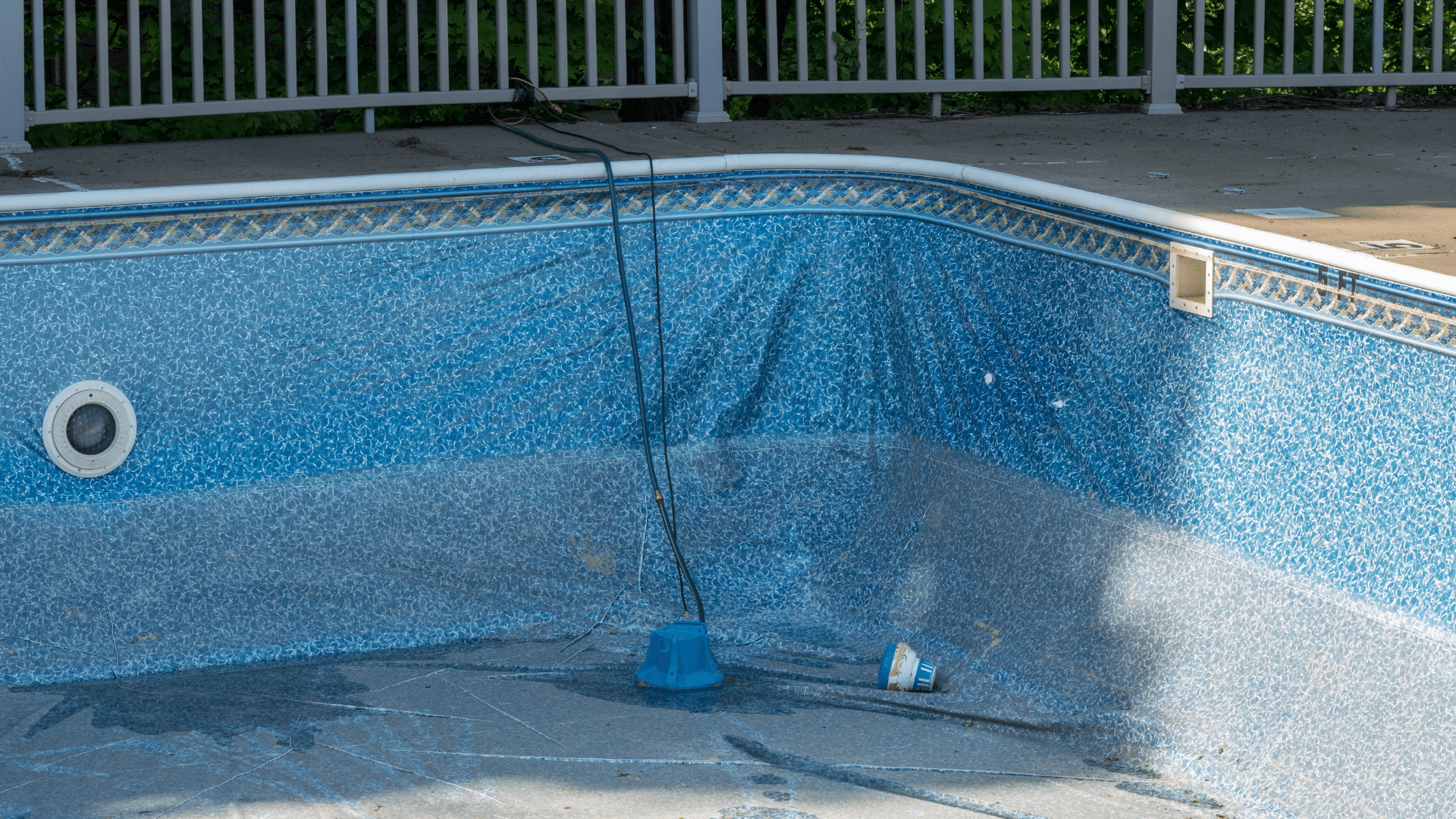
When it comes to creating the ultimate backyard oasis, your swimming pool plays a pivotal role. It’s the centerpiece of your outdoor space, offering relaxation, entertainment, and a fun escape from the daily grind. However, the pool liner, often overlooked, plays a significant part in not only the aesthetic appeal of your pool but also its functionality, durability, and long-term maintenance. Whether you’re building a pool from scratch or considering a pool liner replacement, choosing the perfect liner is crucial to enhancing both the look and performance of your pool.
In this comprehensive guide, we’ll walk you through everything you need to know about pool liner replacement, including the different types of liners available, how to select the right material, and what factors to consider when choosing a liner that perfectly suits your needs and style. By the end of this post, you’ll be equipped with the knowledge to make an informed decision and transform your pool into the backyard oasis of your dreams.
Why Does the Right Pool Liner Matter?
The pool liner serves several important purposes, beyond just its appearance. First and foremost, it helps protect the pool structure by providing a waterproof barrier. It also ensures the pool’s surface is smooth and safe to swim in, preventing injury from rough or uneven surfaces. Additionally, the liner contributes to the overall aesthetic of the pool area, which is important in transforming your backyard into a welcoming retreat.
When it’s time for a pool liner replacement, selecting the right liner becomes a vital task to maintain both the visual appeal and functional integrity of your pool. Pool liners come in various materials, patterns, and thicknesses, and each has unique benefits. So, what exactly should you look for when choosing a liner for your backyard paradise?
1. Types of Pool Liners
There are two primary types of pool liners to choose from: overlap liners and beaded liners. Both offer distinct advantages, and your choice will depend on your pool’s design, installation method, and aesthetic preferences.
-
Overlap Liners: These liners are made to overlap the edges of the pool, and they’re typically used for above-ground pools. The excess liner material is tucked over the top of the pool wall and secured with coping strips. Overlap liners are usually more affordable and easier to install, making them an excellent option for DIYers.
-
Beaded Liners: Beaded liners are designed to fit into a track system along the top edge of the pool. These liners are common for both above-ground and in-ground pools. The bead at the top of the liner clicks into the track, making them easier to remove or replace when necessary. Beaded liners are often considered more durable and can provide a higher-end appearance.
Once you’ve chosen the type of liner, you’ll need to decide on the material. The most popular materials for pool liners are vinyl, fiberglass, and polymer. Let’s take a closer look at each option.
2. Materials for Pool Liners
The material you choose for your pool liner directly affects its durability, appearance, and maintenance requirements. The three most commonly used materials are:
Vinyl Pool Liners
Vinyl is one of the most popular materials for pool liners due to its versatility, affordability, and aesthetic options. Vinyl liners are available in a range of colors, patterns, and textures, making them easy to customize for your backyard style. Here are some key features of vinyl pool liners:
-
Affordability: Vinyl liners tend to be more affordable than other types of pool liners, making them an attractive option for homeowners looking for a budget-friendly solution.
-
Durability: While vinyl liners are durable and resistant to tears and punctures, they may need to be replaced every 10-15 years depending on how well they are maintained. Regular cleaning and avoiding sharp objects can help extend their lifespan.
-
Customization: Vinyl liners come in many different patterns and colors, allowing you to match the liner to your pool’s overall design. Whether you prefer a classic blue liner, a tile pattern, or a more unique stone or marble design, vinyl offers endless possibilities.
-
Maintenance: Vinyl liners require periodic cleaning and maintenance to prevent staining and algae buildup. However, they are relatively easy to clean with the right tools and cleaning solutions.
Fiberglass Pool Liners
Fiberglass is another common material for in-ground pool liners. It is a preformed, rigid surface that fits seamlessly into the pool shell, and it’s highly durable and low-maintenance. Here are some features of fiberglass pool liners:
-
Low Maintenance: Fiberglass pools are incredibly easy to maintain, requiring minimal cleaning and fewer chemicals compared to vinyl. The smooth surface of fiberglass prevents algae growth, making it a more hygienic option for pool owners.
-
Durability: Fiberglass is highly durable and resistant to cracking, fading, or staining. It also has a longer lifespan than vinyl, often lasting up to 25 years or more with proper care.
-
Aesthetic: Fiberglass liners have a glossy, smooth finish that gives your pool a polished, high-end look. While the color options may be more limited compared to vinyl, fiberglass pools still offer elegant designs that can complement any backyard style.
-
Cost: Fiberglass pool liners tend to be more expensive upfront than vinyl, but their low-maintenance nature and longevity can save you money over time.
Polymer Pool Liners
Polymer liners are made from plastic materials and are used in both in-ground and above-ground pools. These liners are often used in conjunction with a steel pool frame for added durability and support.
-
Durability: Polymer liners are strong and resistant to harsh chemicals, UV rays, and extreme weather conditions. They are a great option for areas with harsh climates.
-
Customization: Polymer liners offer a range of design options, but like fiberglass, the customization options are fewer than vinyl. They typically feature smooth, non-porous surfaces that reduce algae buildup.
-
Longevity: Polymer liners can last up to 25 years, making them a long-lasting investment for homeowners.
3. Factors to Consider When Choosing a Pool Liner
Now that you know the types of pool liners and materials available, it’s time to consider a few other factors to ensure you choose the perfect liner for your backyard oasis:
a) Pool Shape and Size
The shape and size of your pool will greatly influence your choice of liner. Some materials and styles may be better suited for specific pool shapes. For instance, vinyl liners are often customized to fit specific pool shapes, making them ideal for irregularly shaped pools. Fiberglass and polymer liners, on the other hand, tend to work best with standard pool shapes.
b) Budget
Your budget will play a significant role in the choice of pool liner material. Vinyl liners are typically the most affordable, while fiberglass and polymer liners may require a larger upfront investment. While the cost of vinyl is lower, the longevity and reduced maintenance of fiberglass or polymer liners may justify the extra expense over time.
c) Durability and Maintenance
If you’re looking for a liner that requires minimal maintenance, fiberglass may be the best choice for you. However, if you’re willing to do some regular cleaning and upkeep, a vinyl liner can provide a wide variety of aesthetic options at a lower price.
d) Aesthetic Preferences
The look of your pool is just as important as its functionality. Think about how the liner will complement the overall aesthetic of your backyard. Whether you prefer a traditional blue or a custom tile design, vinyl liners offer the most flexibility in terms of patterns and textures. Fiberglass liners, while offering fewer design options, still provide a high-end, polished appearance that can elevate your pool’s visual appeal.
e) Climate and Environment
Consider the climate and environmental conditions in your area when selecting a liner. If you live in an area with extreme temperatures or high UV exposure, a more durable option like fiberglass or polymer might be a better fit. These materials are more resistant to fading, cracking, and damage caused by harsh weather conditions.
4. Installation Process for Pool Liner Replacement
The installation process for a pool liner replacement will depend on the material and type of liner you choose. Vinyl liners, for example, are typically easier to install and can be a DIY project for the experienced homeowner. On the other hand, fiberglass and polymer liners usually require professional installation due to their complexity and need for precise fitting.
Regardless of the liner type, professional installation is highly recommended to ensure a perfect fit and minimize the risk of damage. A professional installer can also offer guidance on maintenance and help extend the lifespan of your new pool liner.
Conclusion
Choosing the perfect pool liner for your backyard oasis is essential for ensuring both the aesthetic appeal and longevity of your pool. Whether you’re opting for a vinyl, fiberglass, or polymer liner, each option offers its unique benefits and features. Consider the shape of your pool, your budget, desired durability, and aesthetic preferences when selecting the right liner for your needs.
By taking the time to choose the right pool liner, you’ll create a stunning, long-lasting, and low-maintenance swimming experience that you and your family can enjoy for years to come. If you’re unsure about which liner to choose, don’t hesitate to consult with a professional pool installer who can help guide you through the process and ensure your backyard paradise is just as you’ve always dreamed.