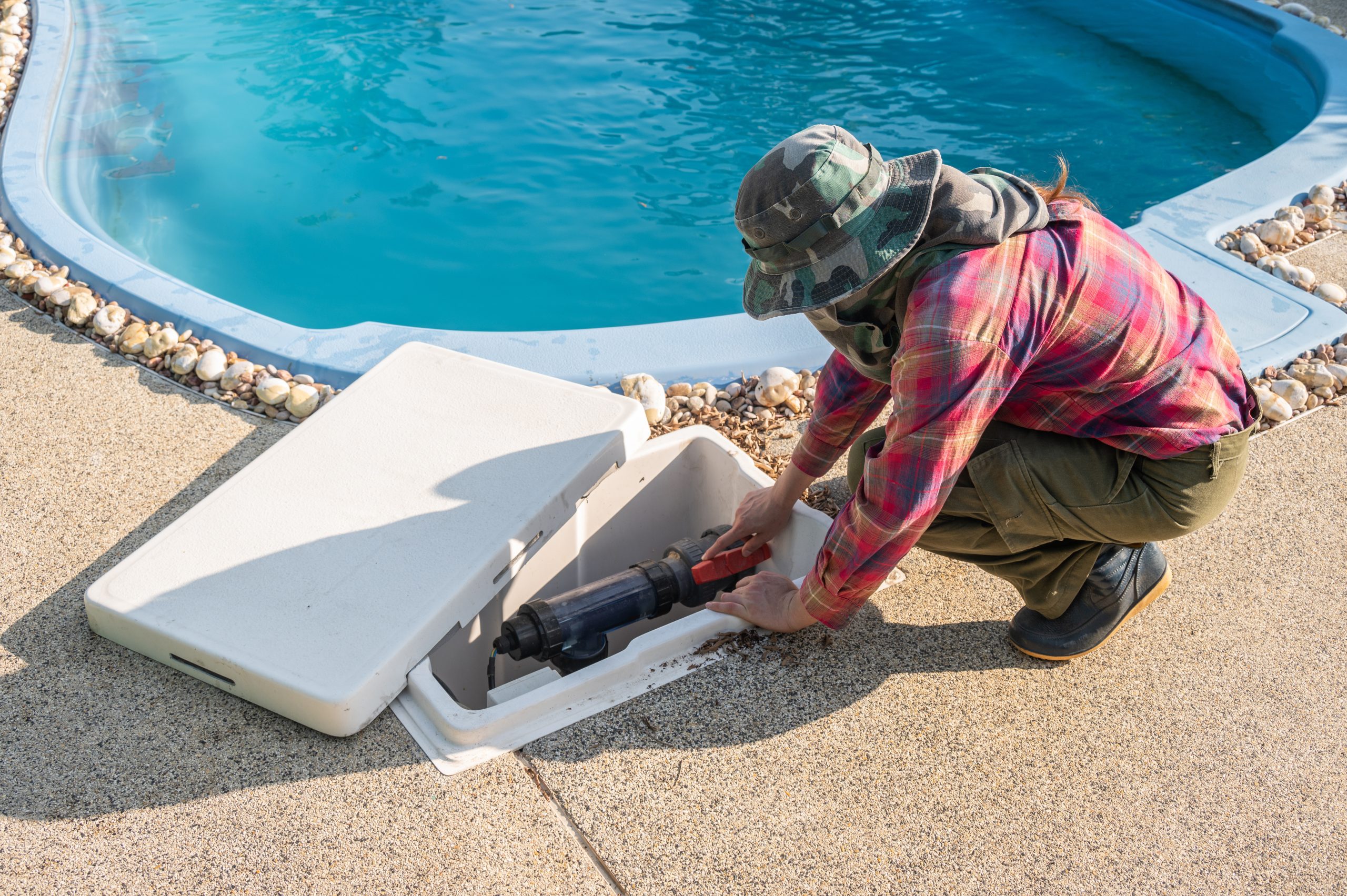
Your pool pump is the heart of your swimming pool’s circulation system, responsible for keeping the water clean, clear, and properly circulated. However, like any mechanical device, pool pumps can experience wear and tear over time, leading to issues that may require repair or replacement. In this blog post, we’ll explore the factors to consider when deciding between pool pump repair and replacement to help you make an informed decision.
Signs Your Pool Pump Needs Attention
Before diving into the repair versus replacement dilemma, it’s essential to recognize the signs that your pool pump may be in need of attention:
- Loud or Unusual Noise: If your pool pump is making unusual noises such as grinding, rattling, or squealing, it could indicate worn bearings, loose components, or other mechanical issues.
- Poor Performance: If you notice a decrease in water flow, weak suction, or inadequate circulation, it may be a sign that your pool pump is struggling to operate efficiently.
- Leaking: Pool pump leaks can occur due to damaged seals, cracked pipes, or loose fittings. Addressing leaks promptly is crucial to prevent water loss and potential damage to the pump motor.
- High Energy Bills: A sudden increase in energy consumption without a corresponding increase in pool usage could indicate that your pump is working harder than usual, possibly due to internal inefficiencies or mechanical problems.
- Age of the Pump: As a general rule of thumb, pool pumps typically last around 8 to 12 years with proper maintenance. If your pump is nearing the end of its expected lifespan, it may be more cost-effective to replace it rather than invest in costly repairs.
Repairing Your Pool Pump
In many cases, minor issues with pool pumps can be resolved through repair rather than replacement. Common pool pump repairs include:
- Replacing worn-out seals, gaskets, or o-rings: These inexpensive components can often be replaced to address leaks and restore proper pump operation.
- Cleaning or replacing clogged impellers: Debris buildup in the impeller can restrict water flow and reduce pump performance. Cleaning or replacing the impeller can restore optimal pump function.
- Repairing or replacing damaged motor components: Motor issues such as faulty capacitors, worn bearings, or damaged windings can often be repaired by a qualified technician to extend the life of the pump.
Upgrading Your Pool Pump
However, there are instances where repairing the pool pump may not be the most cost-effective or practical solution. Consider upgrading to a new pool pump if:
- The pump is beyond repair: If the cost of repairing the pump exceeds the cost of a new pump, it may be more economical to invest in a replacement.
- You want to improve energy efficiency: Older pool pumps may be less energy-efficient compared to newer models equipped with variable speed or high-efficiency motors. Upgrading to a more efficient pump can result in significant energy savings over time.
- You’re looking to enhance performance: Newer pool pumps may offer advanced features such as programmable timers, variable speed settings, and quieter operation, providing improved performance and user experience.
Conclusion
In conclusion, when faced with pool pump problems, it’s essential to weigh the costs and benefits of repair versus replacement to make the best decision for your situation. Minor issues can often be addressed through repairs, while more significant problems or older pumps may warrant replacement. Consult with a qualified pool professional to assess the condition of your pump and explore your options for repair or upgrade. By investing in the proper maintenance and upkeep of your pool pump, you can ensure years of trouble-free operation and enjoyment of your swimming pool.